Category
Mobility & Walking Aids
Walkers, canes & wheelchairs. 43 curated picks. · Est. $2–$320 per item

Featured in Mobility & Walking Aids
Start here · Mobility & Walking Aids

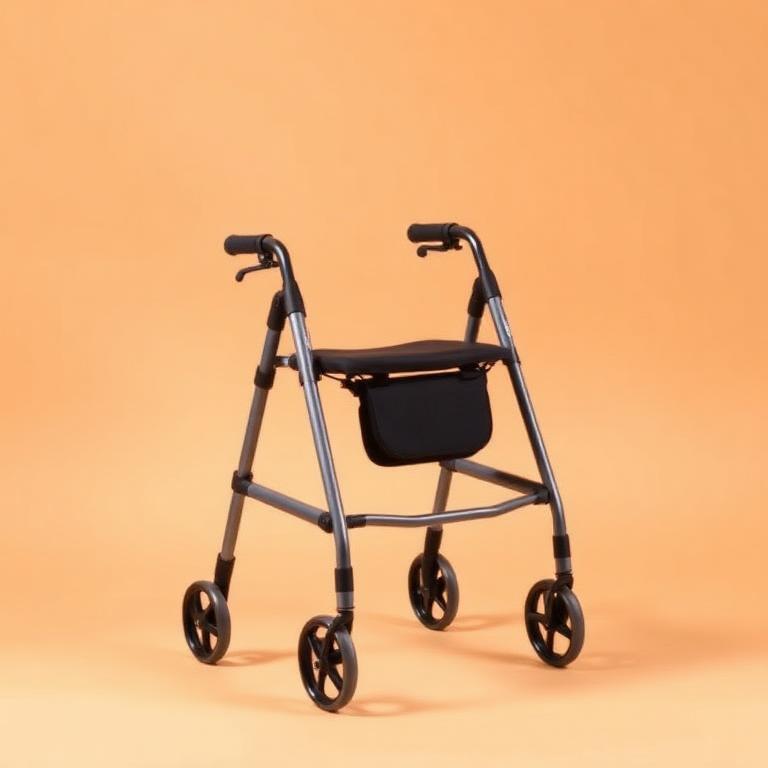
Rollator Walker with Seat
Stable walking support with rest seat — reduces fatigue and falls.
$70–$300
Mobility & Walking Aids. Walking aids and wheelchairs support independence when balance or endurance is still recovering. Compare walkers, rollators, canes, and transport chairs with weight limits and home doorway widths in mind.
Topics: Mobility & Walking Aids · Walkers · canes & wheelchairs · mobility · stroke recovery · post-stroke · caregiver · OT
Showing 43 of 43 items

Tri-wheel design fits tight halls — lighter than four-wheel rollators.

Keep a cane from dropping out of reach.

Replacement crutch tips designed to provide stability, grip, and comfort for axillary or forearm crutches. Some options may include shock absorption or padding features.

Folding tray leaves one side open — room for hemiparesis or caregiver assist.

Wider ski tubes for bariatric or heavy-duty walkers with thicker leg posts.

One-handed walking support for one-sided weakness.

Memory foam or gel arm pads — pressure relief for forearms and elbows.

Pre-cut tennis ball glides for walker legs, offering a smoother glide than traditional caps on various surfaces. No tools or cutting required.

Four-point base for extra stability vs. a standard cane.

A walking cane with four small feet on its base, designed to provide enhanced stability compared to a single-point cane.

Maintain walker movement and reduce unsafe dragging.

Ski attachments sized for rollator rear wheels or legs — smoother pushes on carpet and low-pile rugs.

Stable walking support with rest seat — reduces fatigue and falls.
- Balance & fall prevention
- Left-side weakness (hemiparesis)

Soft rubber glide caps that slip over walker tips — a middle ground between bare rubber and full skis.

Budget-friendly ski set for the most common 1 in. walker leg size — often sold in four-packs.

Replacement ferrule-style glide tips that thread or press onto walker legs like standard rubber feet.

Improve comfort and grip on walker handles.

Classic ski-shaped rear-leg glides that snap onto most standard walker legs for smoother indoor pushes.

Ski-shaped caps for walker rear legs — smoother pushes on indoor floors when rubber tips catch.

Glide caps that help walkers move on carpet without catching.

Low-friction ski tips for tile, vinyl, and hardwood when rubber feet stick or squeak.

Slip-on glides made from tennis balls for walker legs, designed to help walkers slide smoothly over various indoor surfaces and prevent scuffing.

Pre-cut tennis ball feet for standard walker legs (budget option).

Padded covers for hard wheelchair armrests during long seating.

Improve seated comfort and skin protection during longer wheelchair use.

Foam sleeve for metal footrests that dig into legs or catch shoes.

Clip-on or hook-on tray — meals, tablet, and daily tasks at wheelchair height.

Light AFO for foot drop, often fits in sneakers.
- Left-side weakness (hemiparesis)
- Right-side weakness (hemiparesis)

For foot drop — prescription only.

Add seasonal traction for cane use on icy or slick outdoor surfaces.

Height-adjustable leg rests with calf pads — supports swelling and positioning.

Easy to fold, lightweight for transport and outings.

Socks with rubberized treads on the soles to provide better traction and reduce the risk of slips and falls on hard or slippery indoor surfaces.

Four-point base for extra stability than a single-tip cane.

Leg rests pivot to the side — faster transfers without removing hardware.

Small rear wheels or bars — reduce backward tip when leaning or on ramps.

Frame clip holds cane or quad stick — frees hands for pushing.

Clamp-on drink holder — keeps water within reach on the frame or armrest.

Extended hanger tubes or footplates for taller users — heels supported on plate.

Frame-mounted holder for O₂ cylinder — keeps tank secure while moving.

Soft or high-friction rim covers — easier propulsion with weak grip.

Waterproof cape fits over wheelchair and lap — stay dry on outings.

Stash phone, meds, and other essentials discreetly under your wheelchair seat. Attaches easily. No need for a backpack.
Frequently asked
- How do I choose Mobility & Walking Aids for stroke recovery?
- Start with fall risk and daily routines. Measure spaces, check weight capacity, prefer one-handed or tool-free designs, and ask your OT or PT when unsure.
- Does stroke.shopping sell these products?
- No — we curate and link to marketplace search results. We are not a DME supplier or prescriber.
- Is this medical advice?
- Curated for stroke survivors and caregivers. Not medical advice — ask your OT, PT, or SLP when marked.
Other categories
Photo % shows verified product images in each category.